Major and minor element compositions were determined on micropumice fragments and/or glass shards from the tephras Morrone T1 (Fig. S1) and T3 and on melt inclusions in clinopyroxene crystals from the layer Morrone T2 (Fig. S2; see Fig. 1a in the main article for sample location). The analyses were carried out at the Istituto di Geologia Ambientale e Geoingegneria of the Consiglio Nazionale delle Ricerche (IGAG-CNR) in Rome, Italy, using a Cameca SX50 electron microprobe equipped with a five-wavelength dispersive spectrometer. Operating conditions were as follows: accelerating voltage, 15 kV; beam current, 15 nA; beam diameter, 10–15 μm; and counting time, 20 s per element. The following standards were used: wollastonite (silicon and calcium, Si and Ca), corundum (aluminium, Al), diopside (magnesium, Mg), andradite (iron, Fe), rutile (titanium, Ti), orthoclase (potassium, K), jadeite (sodium, Na), phlogopite (fluorine, F), potassium chloride (chlorine, Cl), baritina (sulphur, S), and metals (manganese, Mn). The Ti content was corrected for the overlap of the Ti-Kα peaks. In order to evaluate the accuracy of the electron microprobe analyses, three international secondary standards (Kakanui augite, Icelandic Bir-1, and rhyolite RLS132 glasses, from the United States Geological Survey) were measured prior to each analytic run. Mean precision was ~1% for silicon dioxide (SiO2); ~2% for aluminium oxide (Al2O3); 7% for potassium oxide (K2O), calcium oxide (CaO), and iron oxide (FeO); and 8%–10% for the other elements.
Table S1. Major-element compositions (normalized to 100 wt%) of glass shards (Morrone T1 [MT1] and Morrone T3 [MT3]) and melt inclusions in clinopyroxene crystals (Morrone T2 [MT2]) from the three investigated tephras (see details in main text).
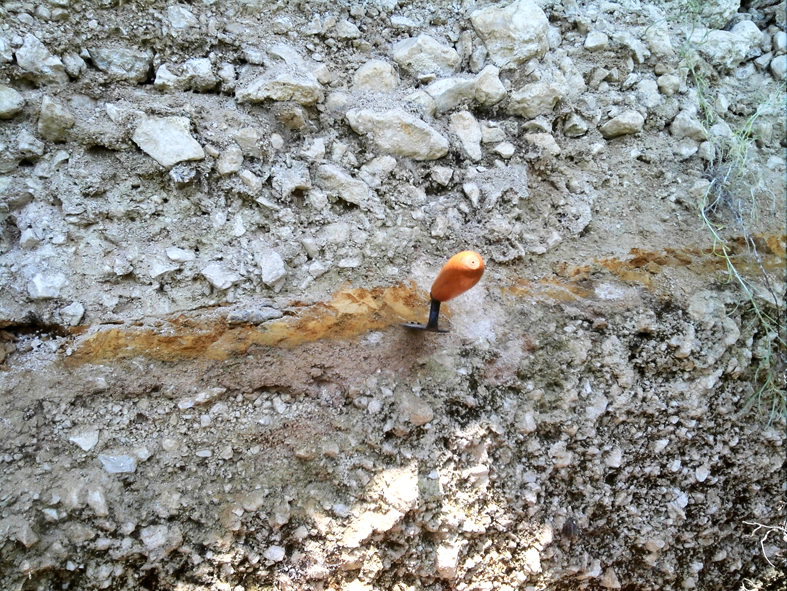
Figure S1. The Neapolitan Yellow Tuff tephra layer sampled below the top surface of one alluvial fan in the Mount Morrone slope (tephra 1 in Fig. 1a,c of the main article).
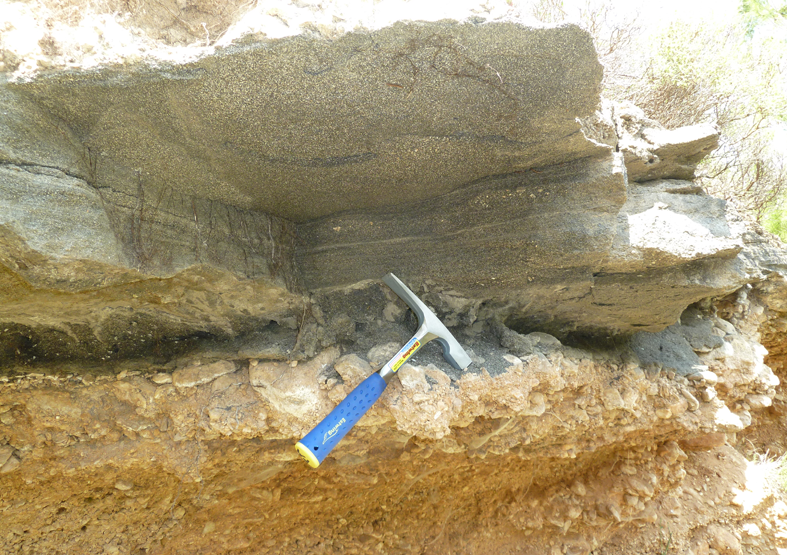
Figure S2. Albano-7 tephra, sampled in the Santopadre alluvial fan (tephra 2 in Fig. 1a,c). See also Figure 2a of the main article for other locations.
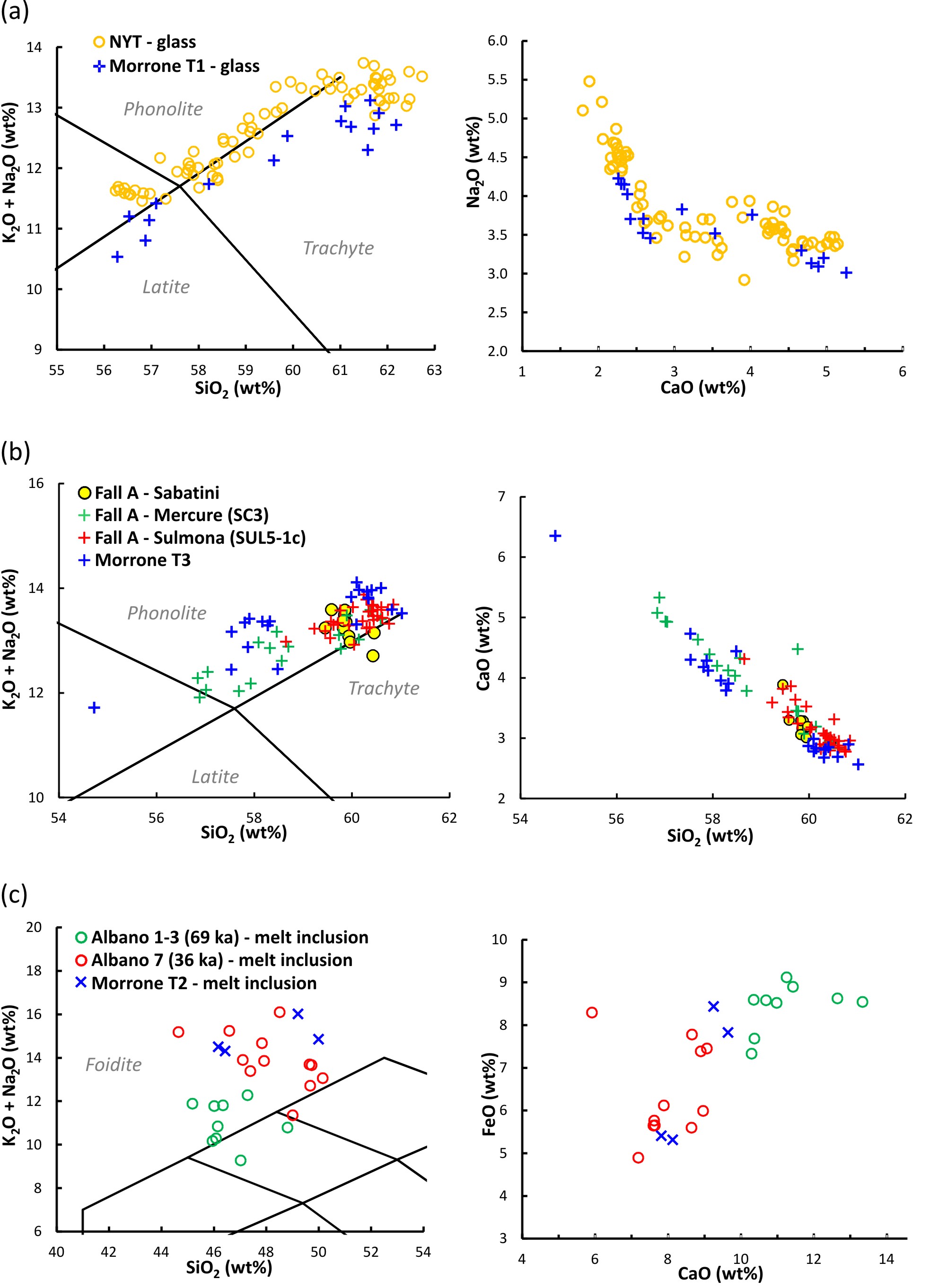
Figure S3. Total alkali versus silica and representative Harker diagrams (electron microprobe analyzer compositions) for glass from (a) the tephras Morrone T1 (MT1) and (b) Morrone T3 (MT3) and (c) for melt inclusion in clinopyroxene crystals from the Morrone T2 (MT3) and for their proximal/distal equivalent Neapolitan Yellow Tuff (NYT; ~15 ka), Sabatini Fall A (~499 ka), and Albano-7 (~36 ka), respectively. For comparison, the compositions of the melt inclusion in clinopyroxene crystals from the Albano-1–3 units are also plotted. Original data sources: NYT, Tomlison et al. (2012); Fall A Sabatini, Marra et al. (2014); Fall A Mercure (SC3) and Fall A Sulmona (SUL5-1c), Giaccio et al. (2014); and Albano-7 and Albano-1–3, Freda et al. (2006).
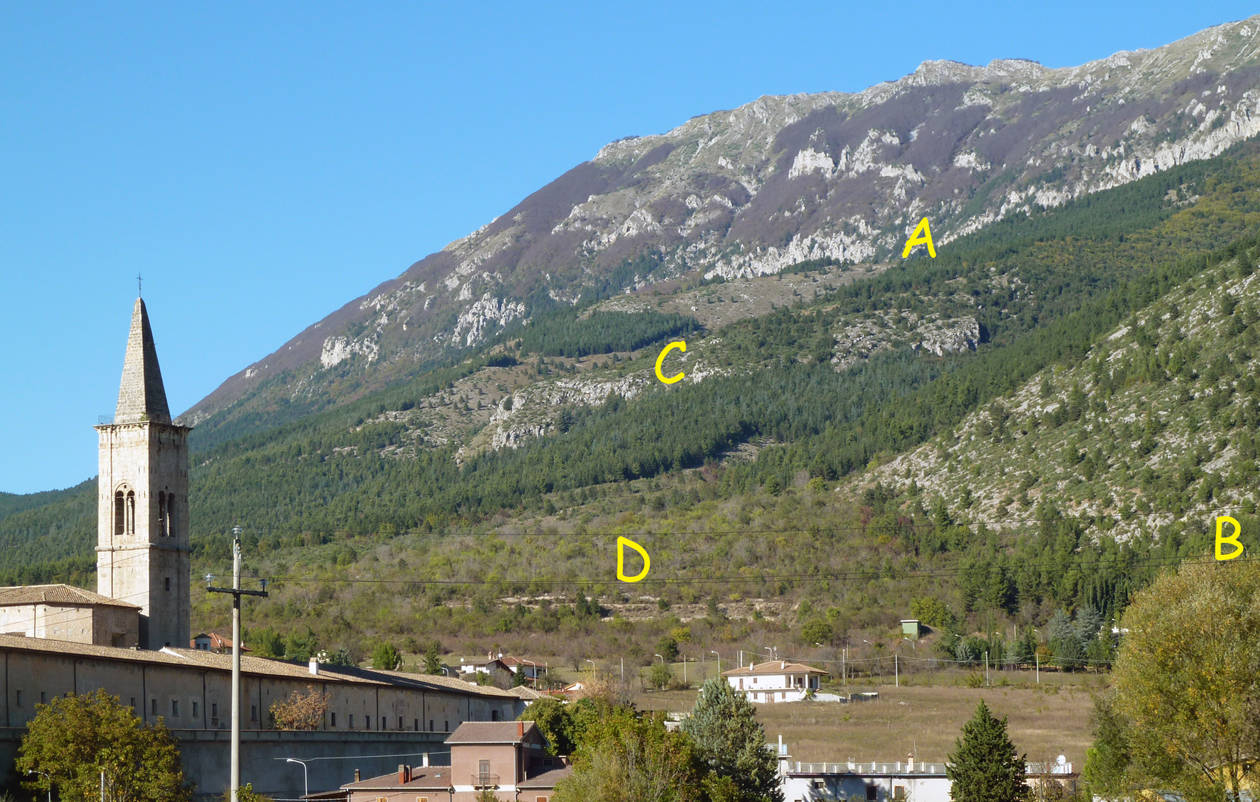
Figure S4. View looking north of the rock-fault scarp of the eastern Sulmona fault splay (A). (B) shows the main basal fault buried by the alluvial fan (D), and (C) shows Early Pleistocene breccias hanging over the present plain.
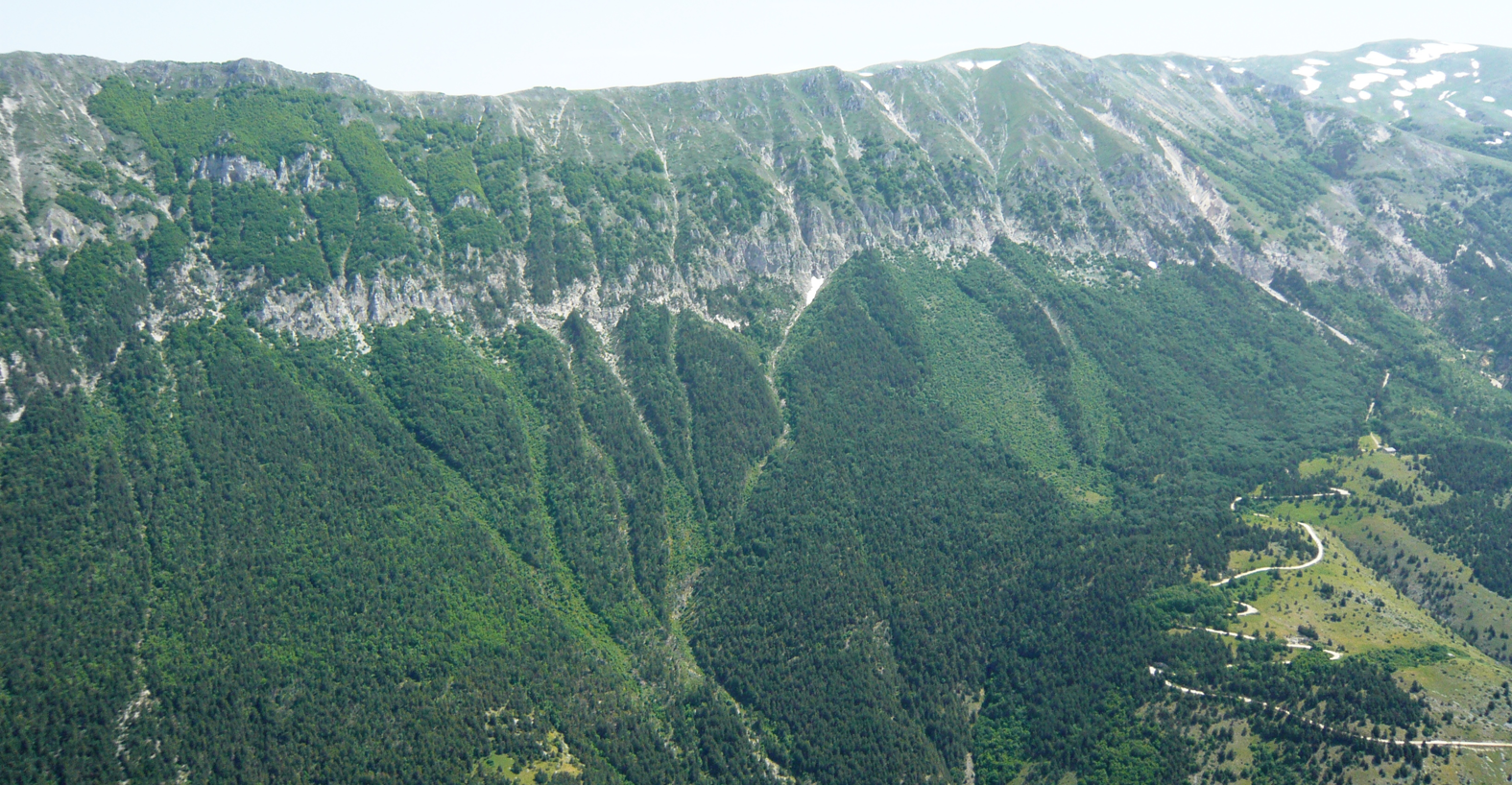
Figure S5. Oblique aerial view looking southeast of the rock-fault scarp of the eastern Sulmona fault splay on the Mount Morrone slope.
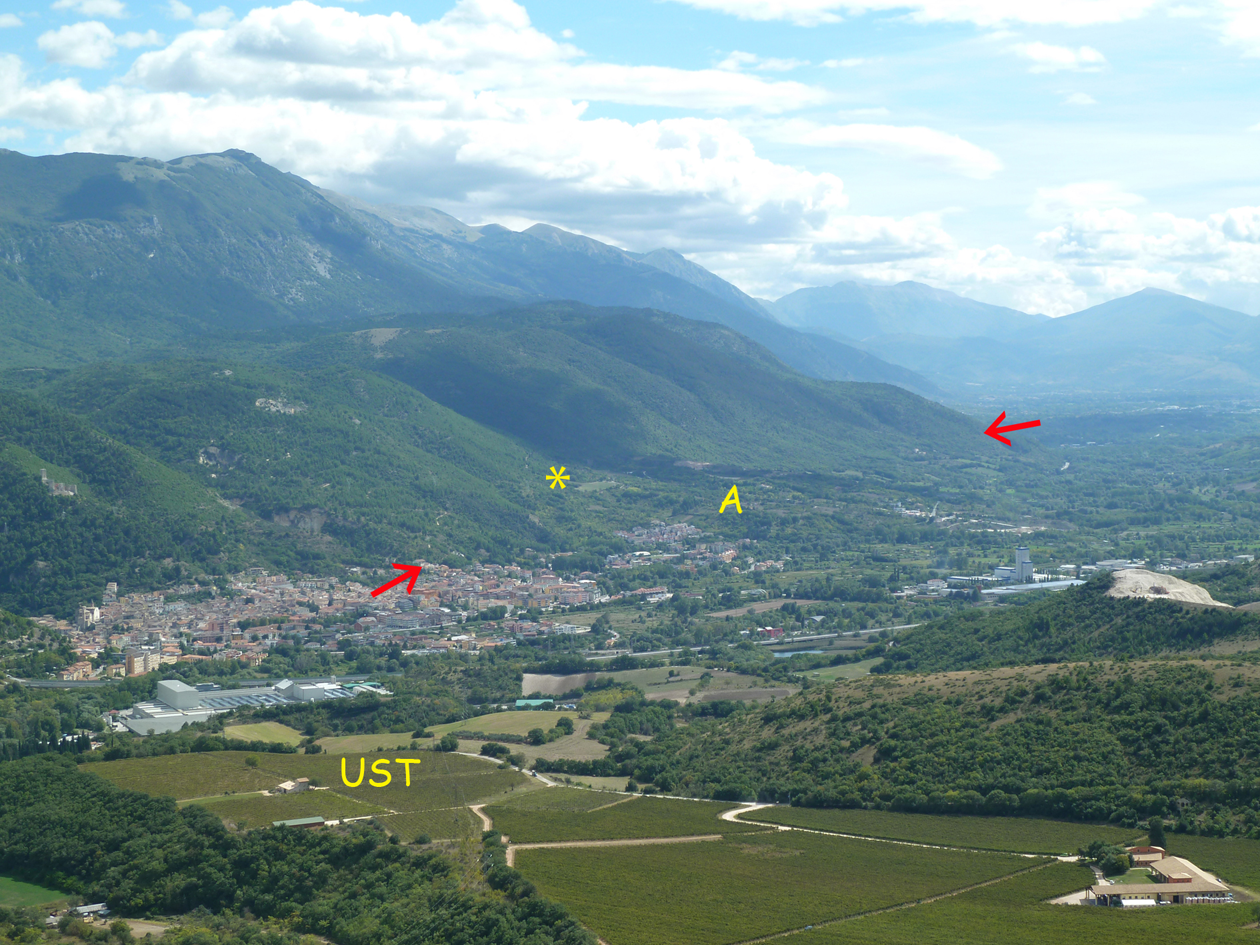
Figure S6. View looking southeast of the Mount Morrone slope. Arrows indicate the two strands of the basal fault near Popoli investigated by paleoseismological trenches (asterisk), and the upper Sulmona terrace (UST) and Santopadre alluvial fan (A) are identified (see also Fig. 2a).
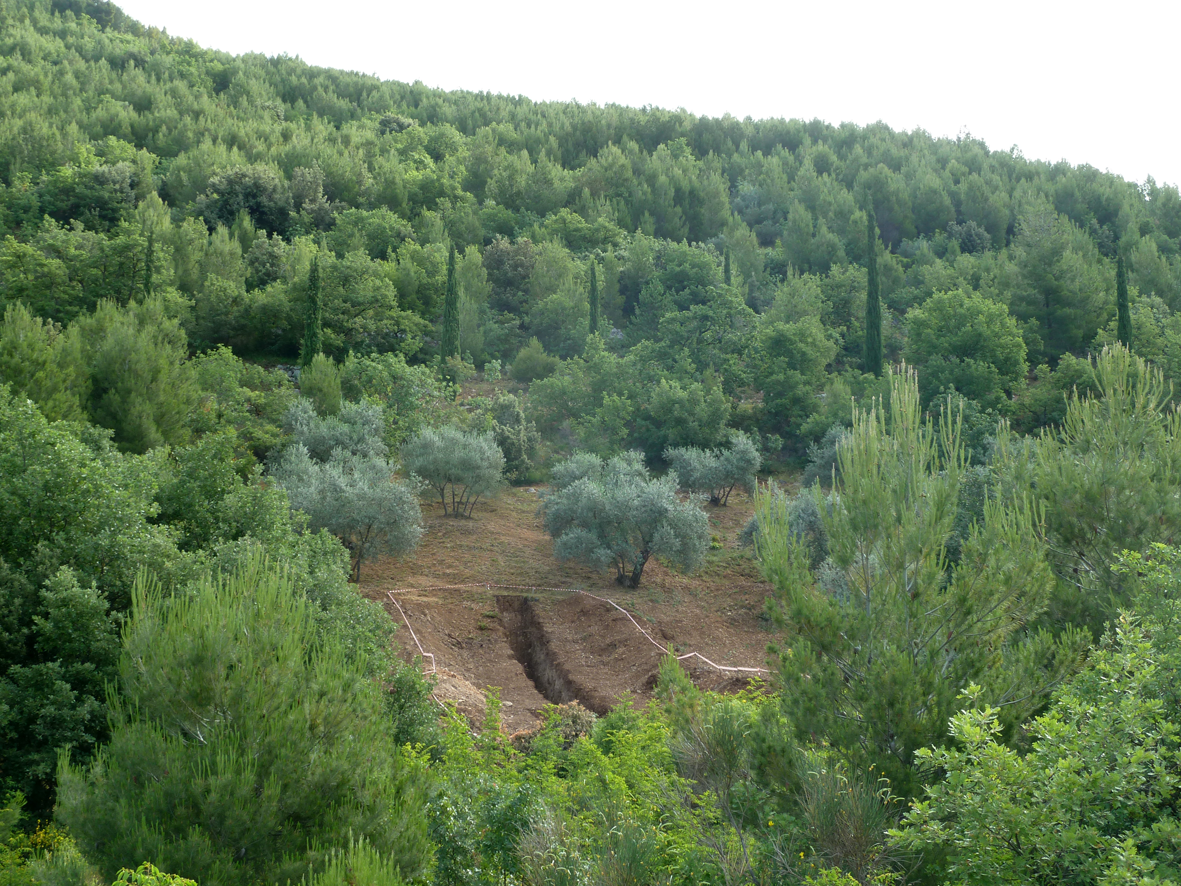
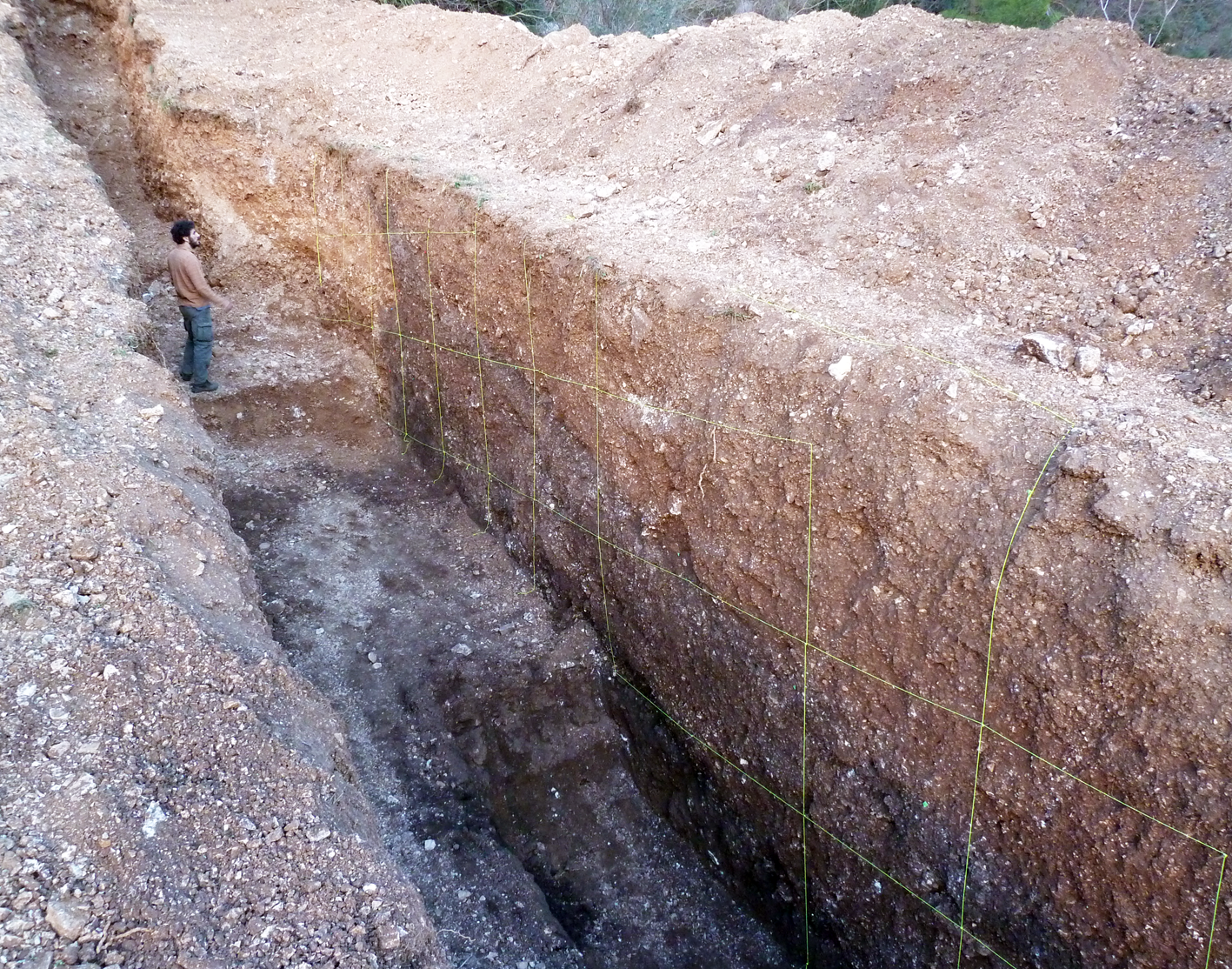
Figure S7. View looking northeast of the trench 1 site (asterisk in Fig. S6).
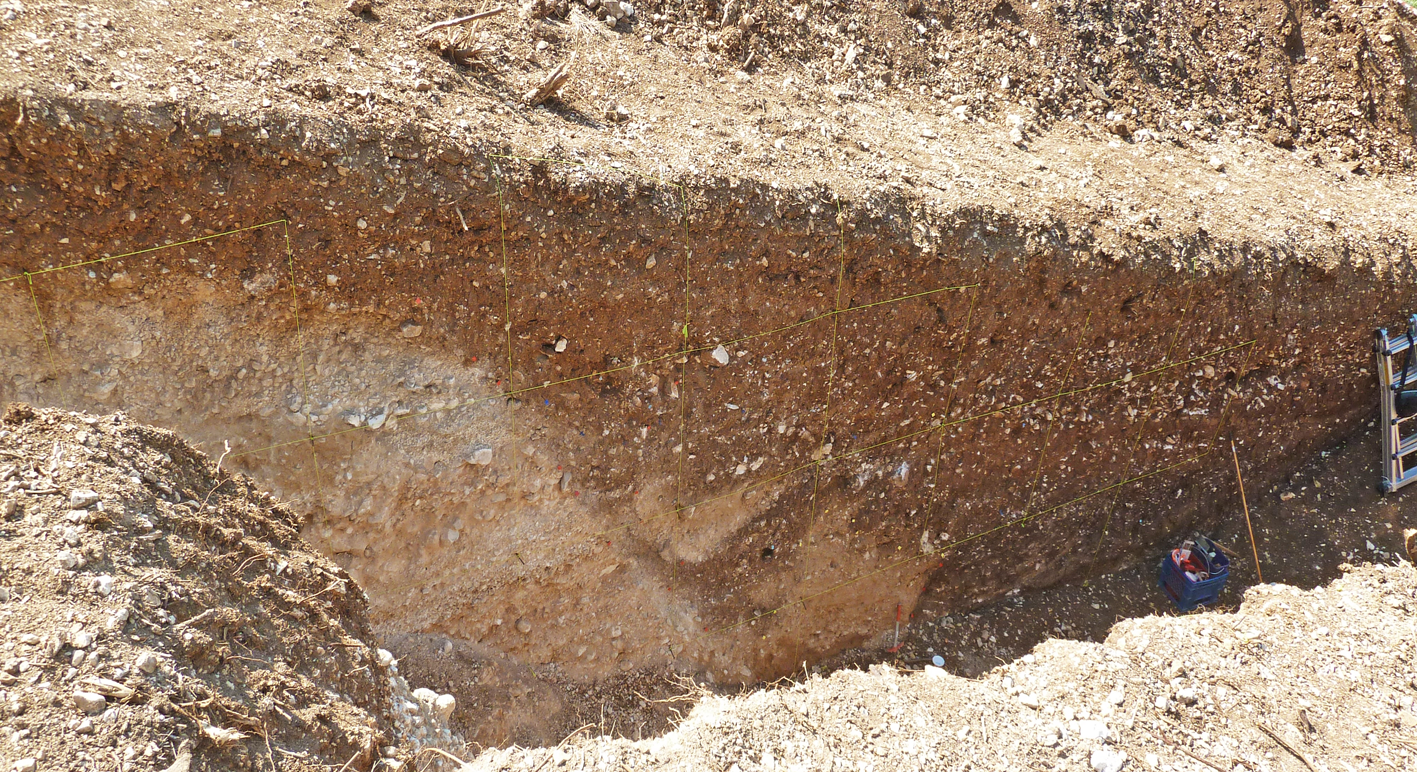
Figure S8. View looking southeast of the trench 1 exposure (see Fig. 3).
Figure S9. Detail of the fault zone in trench 1 (see Fig. 3).
Figure S10. View looking southeast of the trench 2 exposure (see Fig. 4).
Figure S11. View looking east of the trench 3 exposure (see Fig. 4).
Figure S12. Detail of the fault zone in trench 4 (see Fig. 5).
Figure S13. View looking east of the trench 4 exposure (see Fig. 5).
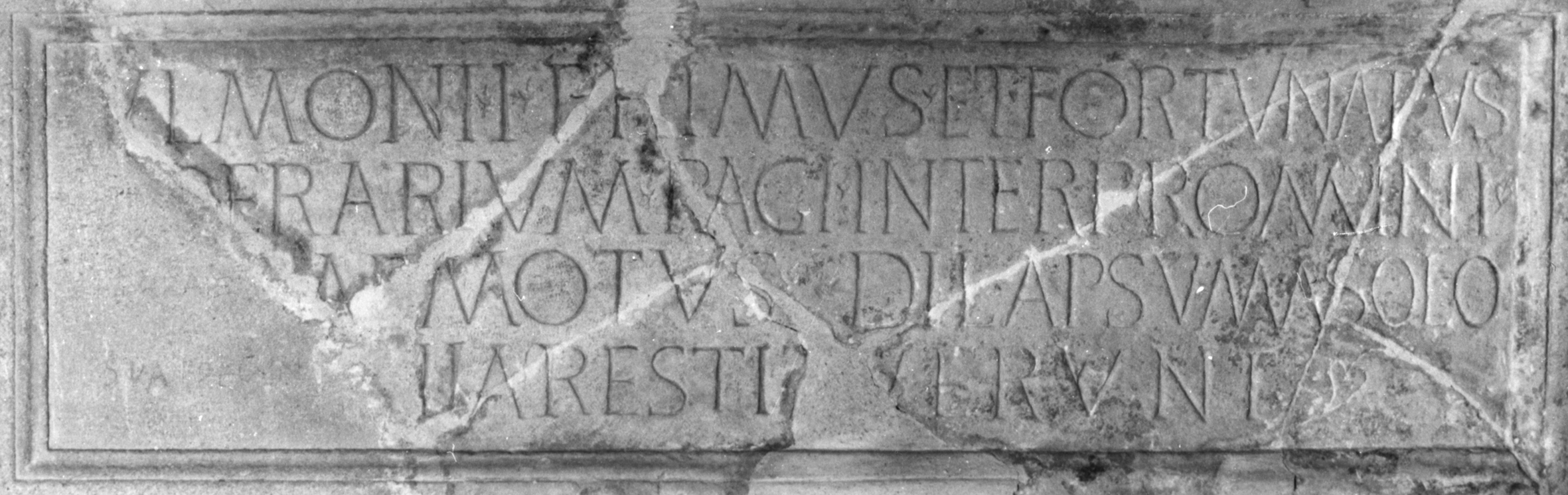
Figure S14. Current image of the Roman epigraph attesting to the earthquake of the second century A.D.. The epigraph was first published in Cremona by Allegranza (1781, p. 227), who personally read the text when the stone was still walled in the floor facing the main door of the San Clemente a Causaria Abbey (the Interpromium site in Fig. 1a): “[…]SVLMONII PRIMVS ET FORTVNATVS /[P]ONDERARIVM PAGI INTERPROMINI /TERRAEMOTVS DILAPSVM A SOLO /[S]VA PECVNIA RESTITVERVNT.”
Allegranza, G. (1781). Opuscoli Eruditi latini ed italiani del P. M. Giuseppe Allegranza, Lorenzo Manini Regio Stampadore, Cremona, Italy, 320 pp.
Freda, C., M. Gaeta, D. B. Karner, F. Marra, P. R. Renne, J. Taddeucci, P. Scarlato, J. Christensen, and L. Dallai (2006). Eruptive history and petrologic evolution of the Albano multiple maar (Alban Hills, central Italy), Bull. Volcanol. 68, 567–591.
Giaccio, B., A. Sposato, M. Gaeta, F. Marra, D. M. Palladino, J. Taddeucci, M. Barbieri, P. Messina, and M. F. Rolfo (2007). Mid-distal occurrences of the Albano Maar pyroclastic deposits and their relevance for reassessing the eruptive scenarios of the most recent activity at the Colli Albani Volcanic District, central Italy, Quaternary Int. 171/172,160–178.
Giaccio, B., F. Marra, I. Hajdas, D. B. Karner, P. R. Renne, and A. Sposato (2009). 40Ar/39Ar and 14C geochronology of the Albano Maar deposits: Implications for defining the age and eruptive style of the most recent explosive activity at Colli Albani Volcanic District, central Italy. J. Volcanol. Geoth. Res. 185, 203–213.
Giaccio, B., P. Galli, E. Peronace, I. Arienzo, S. Nomade, G. Cavinato, M. Mancini, P. Messina, and G. Sottili (2014). A 560–440 ka tephra record from the Mercure basin, southern Italy: Volcanological and tephrochronological implications, J. Quaternary Sci. 29, 232–248.
Giaccio, B., I. Arienzo, G. Sottili, F. Castorina, M. Gaeta, S. Nomade, P. Galli, and P. Messina (2013). Isotopic (Sr-Nd) and major element fingerprinting of distal tephras: An application to the Middle–Late Pleistocene markers from the Colli Albani volcano, central Italy, Quaternary Sci. Rev. 67, 190–206.
Marra, F., G. Sottili, M. Gaeta, B. Giaccio, B. Jicha, M. Masotta, D. M. Palladino, and D. M. Deocampo (2014). Major explosive activity in the Monti Sabatini Volcanic District (central Italy) over the 800–390 ka interval: Geochronological–geochemical overview and tephrostratigraphic implications, Quaternary Sci. Rev. 94, 74–101.
Sottili, G., D. Palladino, and V. Zanon (2004). Plinian activity during the early eruptive history of the Sabatini Volcanic District, central Italy, J. Volcanol. Geoth. Res. 135, 361–379.
Tomlinson, E. L., I. Arienzo, L. Civetta, S. Wulf, V. C. Smith, M. Hardiman, C. S. Lane, A. Carandente, G. Orsi, M. Rosi, W. Müller, and M. A. Menzies (2012). Geochemistry of the Phlegraean Fields (Italy) proximal sources for major Mediterranean tephras: Implications for the dispersal of Plinian and co-ignimbritic components of explosive eruptions, Geochim. Cosmochim. Acta 93, 102–128.
[ Back ]