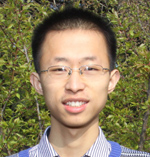
30 March 2026— Norman Abrahamson of the University of California, Berkeley, Claire Doody of Lawrence Livermore National Lab, Daisuke Ishimura of Chiba University, Andrea Llenos of the U.S. Geological Survey, Hongrui Qiu of China University of Geosciences, Vladimir Shumila of ESG Solutions, and Elizabeth Silber of Sandia National Laboratory are the 2025 recipients of SSA’s Outstanding Reviewer award.
Abrahamson, Llenos and Shumila were recognized for their work on behalf of the Bulletin of the Seismological Society of America (BSSA), Qiu and Doody for Seismological Research Letters (SRL), and Ishimura and Silber for The Seismic Record (TSR).
Lauded for their insightful feedback and scientific expertise, the individuals are essential partners in the Society’s publishing program. Their volunteer hours ensure that SSA journals maintain their high quality of peer review and community prestige.
But the reviewers say they have benefited as well from their experience, gaining exposure to new data and sharpening their own research and writing skills.

“While I’m contributing to the community by reviewing, the process also keeps me aware of important methodological and conceptual advances before they are published. In many cases, it saves me significant time that I would otherwise spend searching for relevant new work on my own,” said Qiu. “So reviewing for SRL feels both meaningful and intellectually rewarding.”
“Being a reviewer has helped me think critically about my own research,” said Doody, “and anticipate questions and concerns a reviewer might have before I get to the stage of submitting my research.”
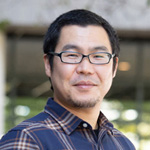
“Understanding the reviewer’s perspective has refined how I write my own papers and how I mentor my students,” Ishimura agreed. “I have become more conscious of the final ‘output’ from the early stages of a project, allowing me to keep the eventual publication in mind throughout the entire research process.”
The awardees also said spending time as a reviewer can be especially valuable for early-career researchers.
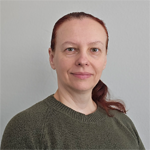
“As an early-career scientist, the constructive criticism I received from reviewers was instrumental to bettering my science and helping me explore sides of my research I wouldn’t have considered otherwise,” Doody said, noting that reviewing “allows me to pass this benefit on to the others in the community.”
Qiu decided to become a reviewer for SRL in part because of its excellent editorial staff. “They are outstanding scientists with strong vision and broad perspectives in our field,” he said. “Knowing the people behind the journal gives me confidence in its direction and standards, and it makes me genuinely want to contribute.”
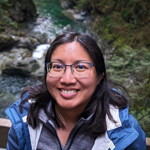
Many of the awardees said they view reviewing as part of their professional responsibilities, one that strengthens the field for everyone.
“When undertaken with fairness, care, and intellectual humility, peer review advances the community’s shared pursuit of truth and helps ensure that published research remains worthy of the confidence placed in it,” Silber said.
“Reviewing is a critical part of our jobs as scientists, and while it is often viewed as a chore, it’s something that I genuinely enjoy doing and encourage others to do as well,” said Llenos. “I think the best part [of reviewing] is helping authors to bring their science out into the world, where it can be used and built upon. It helps connect me to the broader scientific community.”